
Tipper Truck (TPT)
VHIREL Equipment
Tipper Truck (TPT)
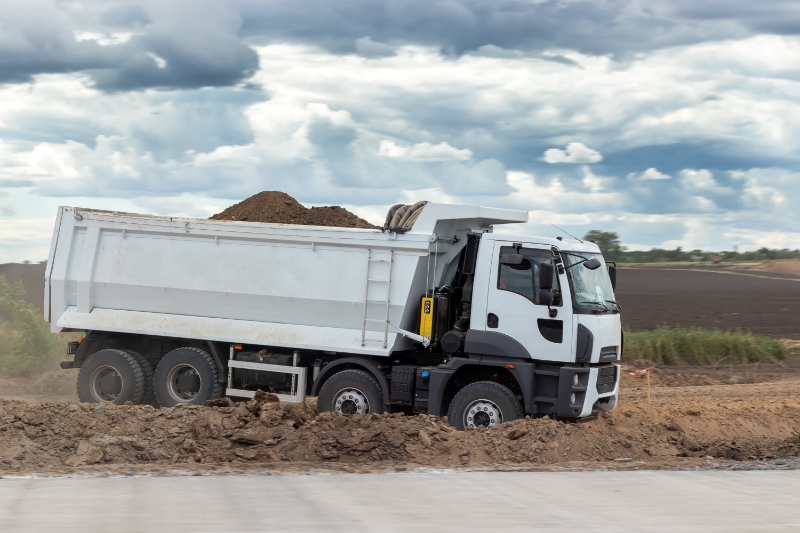
Definition:
A Tipper Truck, also known as a dump truck or dumper, is a specialized vehicle used in construction, mining, and other industries that involve the transportation of heavy loads. It is prized by a diverse clientele base, from small scale local builders to large corporations, and recognized by industry experts for its indispensable role in moving large quantities of materials efficiently and effectively.
The defining feature of a Tipper Truck is its hydraulic-operated open-box bed, which can be tipped up to unload its content without additional equipment. It's designed for carrying bulk materials, such as sand, gravel, or demolition waste, and is also used in excavation to transport dug-out earth.
Key components of a Tipper Truck include:
Chassis: This is the frame of the truck, which includes the engine, transmission, and wheels. It is built to withstand heavy loads and rugged work conditions.
Cab: This is where the driver sits and controls the truck. Modern tipper trucks may include advanced driver-assistance systems and other safety features.
Tipper Body: This is the open-box bed at the back of the truck. It is hinged at the rear and equipped with hydraulic rams that raise the front, allowing the material in the bed to be dumped on the ground behind the truck.
Hydraulic System: This system powers the raising and lowering of the tipper body. It includes a pump, hydraulic fluid, cylinders, and valves.
Tailgate: Located at the rear of the tipper body, it swings down when the body is lifted, allowing the load to be dumped out.
Tipper Trucks come in different sizes and capacities, from small 3-tonne trucks to large 50-tonne super dumpers used in large-scale mining operations. Their size and capacity determine the type and volume of materials they can transport.
When selecting a Tipper Truck, considerations include the intended use, load capacity, engine power, fuel efficiency, and the reliability of the hydraulic tipping system. With their robust design and efficient unloading capabilities, Tipper Trucks play an integral role in various industries, catering to a wide range of applications and a diverse client base.
They are typically classified by their load capacity (usually measured in tonnes or cubic meters), the maximum dumping height, and the type of terrain they are designed to navigate. Here are five general classifications:
Small Tipper Trucks: These typically have a load capacity of up to 7,500 kg or 5 cubic meters and a maximum dumping height of around 2 meters. They are designed for smaller tasks on smooth terrains, such as residential or small commercial construction.
Medium Tipper Trucks: Generally, have a load capacity between 7,500 to 18,000 kg or 5 to 10 cubic meters, with a maximum dumping height of around 2 to 3 meters. These trucks can operate on both smooth and semi-rough terrains and are well-suited for construction or landscaping tasks.
Large Tipper Trucks: Usually have a load capacity between 18,000 to 32,000 kg or 10 to 15 cubic meters, with a maximum dumping height of 3 to 4 meters. These vehicles can handle more demanding tasks on both smooth and rough terrains.
Heavy-Duty Tipper Trucks: These typically have a load capacity between 32,000 to 50,000 kg or 15 to 20 cubic meters, with a maximum dumping height ranging from 4 to 5 meters. They are designed for heavy-duty tasks on varied terrains and often found in large-scale construction or mining environments.
Super-Duty Tipper Trucks: These are the largest tipper trucks, often with a load capacity over 50,000 kg or 20 cubic meters and a maximum dumping height exceeding 5 meters. They’re used for intensive tasks in challenging conditions and are capable of handling both smooth and rough terrains.
Health and Safety Considerations for Tipper Trucks
Driver Training: Only trained and certified personnel should operate a Tipper Truck. Training should include not only the mechanical aspects of the truck but also safety measures, risk assessment, and emergency response.
Pre-use Inspection: Before using a Tipper Truck, drivers should perform a thorough check to ensure it’s in good working condition. This includes inspecting the hydraulic system, tires, brakes, and lights.
Load Limits: Never overload a Tipper Truck. The load capacity should be clearly stated on the vehicle and must be strictly adhered to prevent the risk of tipping or loss of control.
Load Securing: Any load should be evenly distributed and properly secured to prevent shifting during transport, which could lead to instability or unexpected tipping.
Personal Protective Equipment (PPE): Drivers should wear suitable PPE, including high-visibility clothing, safety footwear, and hard hats when loading or unloading the truck.
Safe Operation: Drivers should be aware of their surroundings at all times, especially when reversing, to avoid collisions. In addition, they should not operate the tipper mechanism unless the vehicle is on level ground to avoid instability.
Overhead Hazards: Check for overhead hazards such as power lines or low bridges before raising the truck bed. Contact with electricity can be fatal, and striking an overhead structure can cause severe damage and potential injury.
Regular Maintenance: Regular checks and maintenance should be performed on the Tipper Truck to ensure safe operation and prevent mechanical failure. This includes checking the condition of the hydraulic system and ensuring the truck bed is in good condition.
Safe Unloading: When unloading, ensure the area is clear of people and obstacles. The truck should be stationary with the parking brake engaged. If the load is not discharging, the operator should lower the body and drive forward slightly to assist with discharge rather than getting under the raised body.
Emergency Procedures: Operators should be familiar with emergency procedures in case of a tipper mechanism failure or other incident. This includes knowing how to use emergency stops and understanding the safest way to exit the vehicle.
Vehicle Stability: Drivers should be aware of the truck’s center of gravity and how it changes with different loads and terrains. Operating on slopes or uneven ground can be hazardous, as the vehicle is more likely to tip over.
Noise and Dust Control: As Tipper Trucks can generate high levels of noise and dust, operators should take necessary precautions to protect their hearing and respiratory systems.
Never operate the Tipper Truck under the influence of drugs, alcohol, or when feeling fatigued.