
Concrete Trucks (CCT)
VHIREL Equipment
Concrete Trucks (CCT)
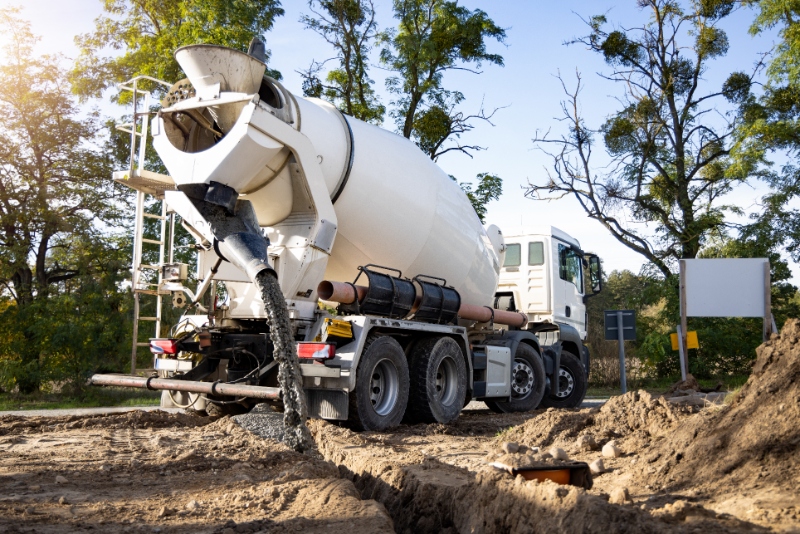
Definition:
A Concrete Truck, also known as a cement mixer or mixer truck, is a specialized piece of heavy-duty equipment used in construction and other related industries. It is vital to a diverse range of clients, from small construction firms to large corporations, and is a piece of machinery widely recognized and appreciated by industry experts for its integral role in facilitating construction work.
A Concrete Truck combines the function of a vehicle and a mobile mixing plant, serving the dual purpose of transporting concrete to a construction site and mixing the concrete en route to keep it fresh and prevent premature hardening.
The main components of a Concrete Truck include:
Drum: The rotating drum is the most identifiable feature of a concrete truck. It mixes the concrete components, keeping the mixture in a workable state during transportation. The drum has spiral blades inside, which rotate to mix the concrete when turning one way, and to discharge the concrete when turning in the opposite direction.
Water Tank: The water tank stores water used for mixing the cement and cleaning the truck after delivery.
Engine: Typically, diesel-fuelled, the engine provides power for the truck to move and for the drum to rotate.
Cab: The cab houses the controls for driving the truck and operating the mixing drum.
Chute: The chute is a moveable extension attached to the back of the truck, which guides the mixed concrete from the drum to the precise spot where it is needed at the job site.
A Concrete Truck is essential when concrete needs to be used at a site located a distance away from the concrete plant, or when the concrete must be kept fresh and ready for immediate use upon arrival. It provides an efficient way of delivering ready-mixed concrete, minimizing waste, and ensuring that the concrete is at the right consistency when it’s poured.
When selecting a Concrete Truck, considerations include the volume of the mixing drum (which determines the amount of concrete the truck can transport), the type and power of the engine, the design of the cab and controls, and the overall size and weight of the truck. Given its critical role in construction and other related industries, a Concrete Truck is an indispensable tool for a diverse client base.
They are usually classified based on their drum capacity, typically measured in cubic meters. Here are five general classifications:
Mini Concrete Trucks: These are the smallest concrete trucks, typically with a drum capacity of up to 2 cubic meters. They are used for small-scale concrete tasks, often in residential or minor commercial construction projects.
Small Concrete Trucks: These typically have a drum capacity ranging from 2 to 4 cubic meters. They are commonly used in small to medium construction tasks.
Medium Concrete Trucks: Generally, these have a drum capacity between 4 to 6 cubic meters. They are suitable for medium-scale construction projects, often seen in residential and commercial construction.
Large Concrete Trucks: These usually have a drum capacity between 6 to 8 cubic meters. These trucks are used in larger construction projects, including commercial and industrial construction.
Extra Large Concrete Trucks: These are the largest concrete trucks, often with a drum capacity of 8 to 12 cubic meters or more. They are used for extensive tasks, typically in large-scale industrial or infrastructure construction projects.
Health and Safety Considerations for Concrete Trucks
Operator Training: Operators should receive proper training in the operation, maintenance, and safety measures specific to concrete trucks. This includes understanding the vehicle’s limitations, emergency procedures, and potential hazards.
Pre-use Inspection: Before each use, the operator should inspect the truck to ensure it’s in good working condition. This includes checking the brakes, lights, tires, water tank, and the drum and its blades.
Load Capacity: The load capacity should never be exceeded. Overloading can destabilize the truck, increase the risk of tipping, and put excessive stress on the vehicle’s mechanical components.
Vehicle Stability: Due to their high center of gravity, concrete trucks can be at risk of tipping. Operators should avoid sudden turns or maneuvers, especially when the vehicle is fully loaded.
Traffic Safety: Given their size and weight, concrete trucks require longer stopping distances. Drivers should be aware of this and take extra precautions when operating the vehicle in traffic.
Drum Rotation: The drum should always be rotating when the truck is in motion to prevent the concrete from hardening. Operators should be aware of the correct rotation speed and direction for mixing and discharging the concrete.
Working Near the Truck: Workers should avoid standing near the truck’s chute when concrete is being discharged due to the risk of being struck by concrete or the chute itself.
Regular Maintenance: Regular maintenance checks should be performed to ensure the vehicle and its mixing drum are in good working condition.
Personal Protective Equipment (PPE): Operators and workers should wear appropriate PPE, including safety boots, high visibility clothing, gloves, and safety glasses.
Noise and Vibration: Prolonged exposure to high noise levels and vibrations from concrete trucks can lead to health issues. Operators should take regular breaks, and if necessary, use ear protection.
Dust Control: When loading the truck with cement and other ingredients, dust control measures should be implemented to prevent inhalation hazards.
Working at Heights: When inspecting the inside of the drum or performing maintenance work, fall protection measures should be in place due to the risk of working at heights.
Never operate the Concrete Truck under the influence of drugs, alcohol, or when feeling fatigued.