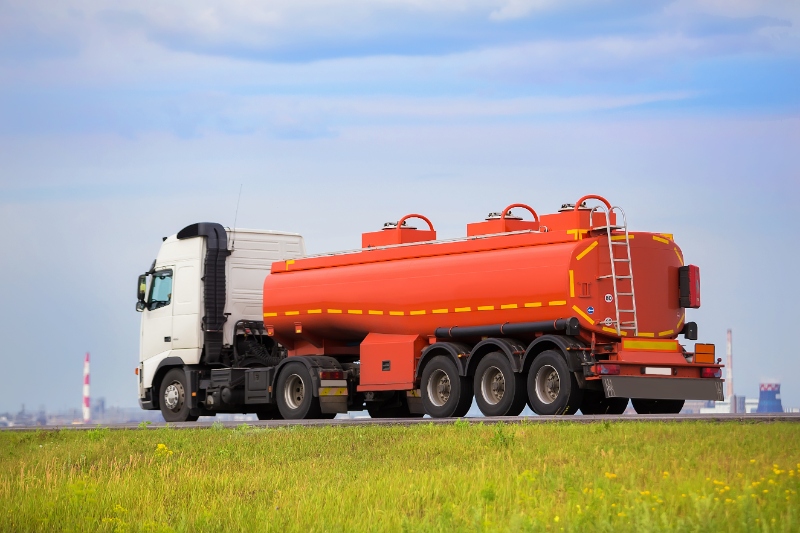
Water Bowser Truck (WBT)

VHIREL Equipment

Water Bowser Truck (WBT)

Definition:

A Water Bowser Truck, also known as a water tanker or water truck, is a motor vehicle designed to transport large volumes of water, typically for use in construction, farming, firefighting, and in areas with limited water supply. It's a versatile piece of equipment utilized by a diverse clientele base, including construction companies, municipal bodies, agricultural businesses, and firefighting units, and appreciated by industry experts for its multifunctional nature and essential role in various operations.

Water Bowser Trucks are typically used for tasks such as dust control on construction sites, firefighting support, irrigation in agricultural settings, and providing potable water in areas with limited access to water supplies.

Key components of a Water Bowser Truck include:

Chassis: This is the base framework of the truck that includes the engine, transmission, and wheels. The chassis is designed to carry heavy loads and navigate a variety of terrains.

Cab: The driver operates the truck from the cab, which contains controls for both driving and operating the water dispensing systems.

Tank: The tank holds the water for transport. Tanks can vary greatly in size, with some large trucks capable of holding several thousand gallons of water.

Pump: This is used to fill the tank from a water source and to empty the tank as needed. It can often be controlled to manage the rate of water flow.

Spray Nozzles and Hoses: Water is dispensed from the truck through spray nozzles, hoses, or both. Spray nozzles, typically located at the front, sides, or rear of the truck, can be used for tasks such as dust suppression or firefighting. Hoses may be used when the water needs to be directed to a specific location or for filling other containers.

Water System Controls: These are used to operate the pump and control the water dispensing systems.

When selecting a Water Bowser Truck, considerations include the tank capacity, the power of the pump, the types of dispensing systems included (e.g., nozzles, hoses), and the intended use of the vehicle. As an essential tool for a variety of industries, the Water Bowser Truck continues to be a critical asset for clients across diverse sectors, helping them meet their operational needs efficiently and effectively.

They are typically classified by their tank capacity (measured in liters) and the type of terrain they are capable of navigating. Here are five general classifications:

Small Water Bowser Trucks: These typically have a tank capacity of up to 5,000 liters and are designed for smooth terrains. They’re used for small-scale tasks such as watering roads and gardens.

Medium Water Bowser Trucks: These usually have a tank capacity between 5,000 to 10,000 liters and can handle smooth to semi-rough terrains. They’re often used for medium-scale water transportation tasks.

Large Water Bowser Trucks: Generally, these have a tank capacity between 10,000 to 15,000 liters and can navigate both smooth and rough terrains. They’re suitable for larger water transportation tasks.

Extra Large Water Bowser Trucks: These typically have a tank capacity between 15,000 to 20,000 liters and are capable of handling varied terrains. They’re designed for large-scale tasks such as dust suppression and firefighting.

Super-Duty Water Bowser Trucks: These are the largest water bowser trucks, often with a tank capacity exceeding 20,000 liters, and can handle both smooth and rough terrains. They are used for extensive water transportation tasks in challenging conditions.

Health and Safety Considerations for Water Bowser Trucks

Operator Training: Only trained and certified personnel should operate a Water Bowser Truck. The training should include understanding the truck’s mechanical systems, safe driving practices, procedures for filling and emptying the tank, and emergency response.

Pre-Use Inspection: The truck should be inspected before operation to ensure it is in good working condition. This should include checks of the brakes, tires, lights, steering, tank, hoses, nozzles, and pump.

Load Limits: Overloading the tank beyond its rated capacity can lead to instability and increased braking distances. Always stick to the load limits specified by the manufacturer.

Personal Protective Equipment (PPE): Depending on the working environment, operators might need to wear high-visibility clothing, safety footwear, gloves, and eye protection.

Safe Driving: Because of the large size and weight of Water Bowser Trucks, particularly when loaded, they can be challenging to maneuver. Safe driving practices, such as avoiding sudden braking and turning, and understanding the truck’s blind spots are important.

Regular Maintenance: The truck should be regularly serviced and maintained to ensure safe and efficient operation. This includes checking the tank for leaks, maintaining the pump and hoses, and ensuring the vehicle’s engine and chassis are in good condition.

Stability: The high center of gravity when the tank is filled can make the truck unstable, particularly when driving on slopes or around sharp turns. Extra care should be taken in such situations.

Noise and Vibration: Prolonged exposure to noise and vibration can harm operators’ health. Therefore, suitable measures should be taken, such as wearing appropriate hearing protection and ensuring regular breaks are taken.

Filling and Emptying: When filling the tank, care should be taken to avoid splashes and spills, and when emptying the tank, the water should be released in a controlled manner to avoid erosion or flooding.

Traffic and Site Safety: The size and operation of a Water Bowser Truck can create hazards on site and on the road. Therefore, operators should be aware of other road users, pedestrians, and site-specific hazards.

Emergency Procedures: Operators should be trained in emergency procedures in case of equipment failure or other incidents. This includes knowing how to use emergency stop systems and understanding the safest way to exit the vehicle in an emergency.

Never operate the Water Bowser Truck under the influence of drugs, alcohol, or when feeling fatigued.