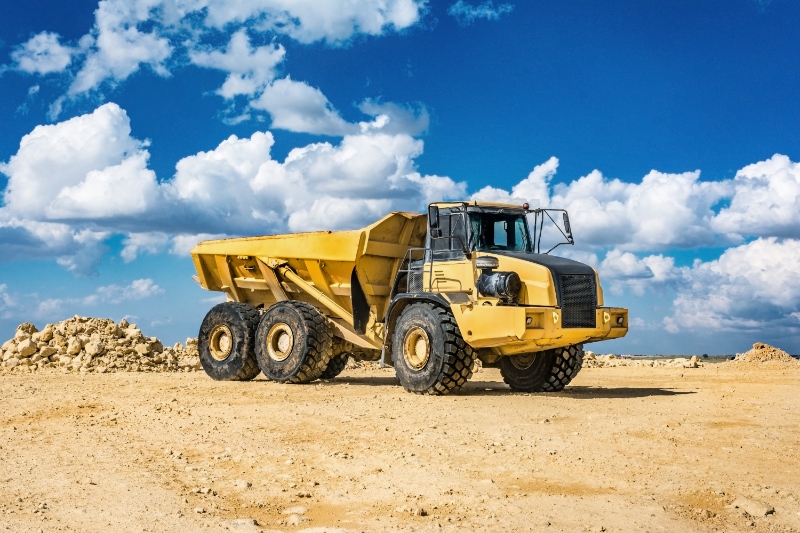
Articulated Dump Trucks (ADT)

VHIREL Equipment

Articulated Dump Trucks (ADT)

Definition:

An Articulated Dump Truck (ADT), also known as an artic or an articulating dump truck, is a heavy-duty vehicle commonly used in a multitude of industries including construction, mining, and large-scale land clearing projects. Esteemed by a diverse client base ranging from small contractors to multinational corporations, as well as industry experts, the ADT is celebrated for its robustness, off-road mobility, and substantial load capacity.

The core design of an Articulated Dump Truck distinguishes it from conventional rigid dump trucks. As the name suggests, an ADT is characterized by its articulating or hinged frame, a feature that allows the front and rear part of the vehicle to move independently. This offers improved maneuverability and control, especially in difficult terrains.

Here's a detailed look at the critical components of an Articulated Dump Truck:

Articulated Chassis: Unlike rigid dump trucks that are built on a single frame, an ADT has an articulated chassis, with the cab and the dump body mounted on separate frames connected by a hydraulic actuator. This allows the front and back of the truck to move independently, improving off-road capability and stability on uneven terrain.

Dump Body: The dump body is designed to carry heavy loads of loose materials like sand, gravel, or demolition waste. It’s hydraulically operated to tip and dump the load at the work site.

Cab: The cab houses the operator’s controls and the engine. It is usually designed for comfort, visibility, and safety, taking into consideration the rough and challenging environments in which ADTs operate.

Engine and Drivetrain: ADTs are typically powered by a diesel engine, driving all the wheels for improved off-road capability. The number of wheels can vary, but six-wheel designs (three axles) are common, with some models featuring more for added capacity and traction.

Tyres: ADTs generally have large, wide tires to provide a good grip and stability on soft, muddy, or rough terrain.

The strength of an Articulated Dump Truck lies in its exceptional off-road capability and load capacity, making it an ideal choice for projects involving tough terrains and heavy materials. They are available in various sizes and capacities, catering to different project requirements and operational conditions.

When choosing an ADT, factors such as load capacity, terrain type, operational environment, and specific task requirements need to be considered. With their adaptability and robustness, Articulated Dump Trucks present comprehensive solutions for a wide range of industrial applications, thereby meeting the needs of a diverse client base.

Compact Articulated Dump Trucks: Typically have a payload capacity of up to 15 metric tons, with a dump height of up to 2 meters. These are designed for small to medium construction sites with varying terrain conditions.

Small Articulated Dump Trucks: Generally, have a payload capacity between 15 to 25 metric tons, with a dump height ranging from 2 to 3 meters. These are used on diverse surfaces in small to medium construction, mining, and quarry tasks.

Medium Articulated Dump Trucks: These usually have a payload capacity between 25 to 35 metric tons and can reach dump heights between 3 to 4 meters. They’re designed for larger construction and mining operations, handling both smooth and rough terrains.

Large Articulated Dump Trucks: Typically have a payload capacity between 35 to 45 metric tons, with dump heights from 4 to 5 meters. They are equipped for large-scale tasks on varied terrains in industries such as construction, mining, and quarrying.

Extra-large Articulated Dump Trucks: These have payload capacities over 45 metric tons and dump heights exceeding 5 meters. They’re built for the most demanding tasks in heavy-duty construction and mining operations, capable of handling a wide range of terrains.

Health and Safety for Articulated Dump Trucks Operations

Training and Competence: Operators should have appropriate training, skills, and valid certification to operate the specific model of ADT being used. Training should cover understanding of load capacities, vehicle control, communication signals, and emergency procedures.

Pre-Operation Inspection: Before starting, the ADT should be thoroughly inspected to ensure all components are in good working condition. This includes checking the hydraulic system, brakes, tires, warning devices, and stability of the vehicle.

Load Limits: Never exceed the vehicle’s load capacity as stated by the manufacturer. The weight of the load should be known or calculated before loading to avoid overloading the truck or causing instability.

Operation Area Inspection: The operation area should be inspected for potential hazards such as overhead obstacles, unstable ground, steep slopes, and people in the vicinity. The area should be cordoned off and kept clear of unauthorized personnel.

Safe Load Handling: The load should be properly secured and evenly distributed before being transported. During operation, sharp turns and abrupt maneuvers should be avoided, especially when carrying heavy loads.

Personal Protective Equipment (PPE): Operators and other personnel involved in the operation should wear appropriate PPE, such as hard hats, high visibility vests, safety shoes, and gloves.

Maintenance: Regular maintenance of the ADT is essential. This includes servicing the hydraulic system, engine, tires, and all other components of the vehicle.

Emergency Preparedness: There should be a clear plan in place for emergency situations, such as a sudden loss of power or control, a person coming into contact with the vehicle, or the truck tipping over.

Communication: Good communication between the operator and ground personnel is critical. Standard hand signals or radio communication should be used to coordinate the operation and ensure everyone’s safety.

Speed Limitations: Operators should always adhere to the designated speed limits and should slow down in poor visibility or adverse weather conditions.

Never operate the Articulated Dump Truck under the influence of drugs, alcohol, or when feeling fatigued.