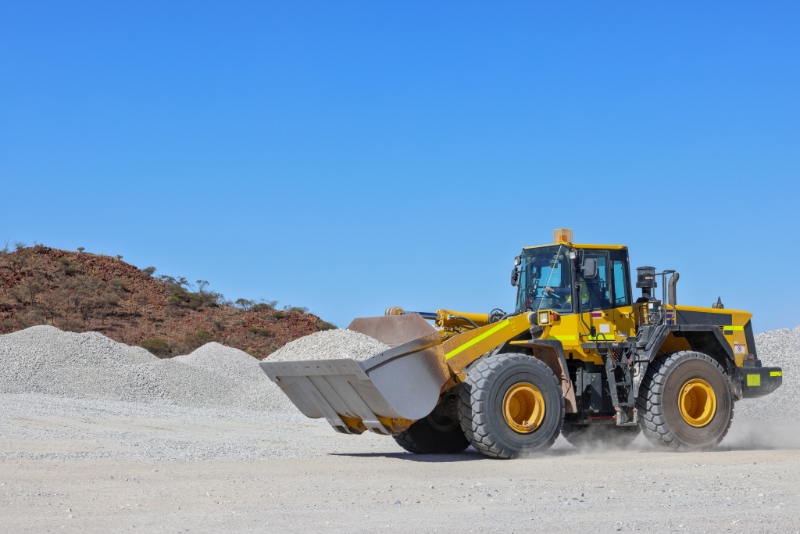
Wheeled Front-End Loaders

VHIREL Equipment

Wheeled Front-End Loaders

Definition:

A wheeled front-end loader is a versatile and powerful piece of heavy-duty construction equipment, prized for its diverse range of applications across numerous industries. It's an indispensable asset for construction professionals, contractors, logistics managers, and industry experts. Its uses span the spectrum from construction and agriculture to waste handling, mining, and more.

The core functionality of a wheeled front-end loader lies in its capacity for efficient material handling, earth-moving, and loading tasks. It's equipped with a front-mounted wide bucket attached to the end of two booms (arms). This bucket can be maneuvered with precision, allowing for the efficient transfer of materials from the ground to a truck, hopper, or other receptacles.

Here's an overview of its key components:

Bucket: The bucket is the primary working tool of the front-end loader, used for digging, scooping, lifting, and loading materials. The size and type of the bucket can be customized based on the task at hand.

Booms (Arms): Two booms are connected to the bucket and allow for vertical movement, aiding in the lifting and dumping of materials.

Cab: The cab is where the operator controls the loader. It is typically enclosed and equipped with controls for operating the booms and bucket, as well as driving the machine.

Wheeled Undercarriage: Unlike tracked machinery, a wheeled front-end loader uses wheels for movement, which allows for faster speeds and better manoeuvrability on hard surfaces. However, it may be less stable on uneven or soft terrain.

Engine and Hydraulic System: The loader is powered by a diesel engine, which drives the hydraulic system. The hydraulic system is responsible for the movement and control of the booms and bucket, as well as the drive system.

The adaptability of the wheeled front-end loader makes it highly useful for a diverse client base. Compact models are ideal for small-scale projects or operations in confined spaces, while larger models are designed for heavy-duty tasks in mining or large-scale construction. Various attachments can also be fitted to enhance the versatility of the machine, enabling it to perform tasks such as snow plowing, pallet handling, or backhoe operations. Consequently, the selection of a loader depends largely on the project requirements, operating environment, and desired utility, offering customized solutions for a variety of applications.

Compact Loaders: Weighing under approximately 3,628 kilograms (kg), with a bucket capacity of under 0.764555 cubic meters.

Small Loaders: Typically weighing between approximately 3,628 to 5,443 kg with a bucket capacity of 0.764555-1.1468325 cubic meters.

Medium Loaders: Generally weighing between 5,443 to 15,875 kg and having a bucket capacity of 1.1468325-2.293665 cubic meters.

Large Loaders: Weighing between 15,875 to 54,431 kg, with a bucket capacity ranging from 2.293665 to 4.58733 cubic meters.

Extra-large Loaders: These are the most substantial loaders, often exceeding 54,431 kg with a bucket capacity larger than 4.58733 cubic meters.

Health and Safety Guidelines for Wheeled Front-End Loaders (FEL)

Operator Training: The operator must be well trained and familiar with the machine’s controls, handling, and safety precautions. This includes understanding the machine’s load capacity and limits to avoid tipping or accidents.

Inspections: Conduct daily visual inspections before and after use. Check for fluid leaks, worn or damaged parts, tire condition, hydraulic lines, and the condition of the bucket and attachments.

Personal Protective Equipment (PPE): Operators should always wear appropriate PPE, including safety boots, hard hats, high visibility clothing, and ear protection. When necessary, safety glasses and gloves should also be worn.

Safe Operation: Only load materials within the machine’s designated capacity. Overloading can lead to instability and increase the risk of tipping. Ensure the load is evenly distributed in the bucket.

Terrain Awareness: Understand the terrain on which the loader is being used. Uneven, soft, or slippery ground can make the loader unstable and increase the risk of accidents.

Speed Limit: Keep the speed of the loader at a safe limit, especially when carrying a load or operating on uneven ground.

Entering and Exiting the Loader: Always maintain three points of contact when entering or exiting the loader (one hand and two feet, or two hands and one foot). Never jump off the equipment.

Worksite Awareness: Always be aware of your surroundings. Watch out for overhead wires, other workers, or obstructions on the ground. Use a spotter if necessary.

Maintenance: Regular maintenance of the loader is essential for safe operation. This includes checking the engine, hydraulic system, tires, brakes, and lights.

Emergency Measures: Ensure that the fire extinguisher is within reach and functional. Make sure that the emergency shutdown system is working properly.

Seat Belts: Always wear a seat belt when operating the loader. This can prevent injury in case of a tip over.

Safe Shutdown: Park the loader on a level surface, lower the bucket to the ground, set the parking brake, turn off the machine, and remove the keys.

Noise: Be aware of the noise level when the loader is operating. Prolonged exposure to high noise levels can lead to hearing loss.

Never operate the loader under the influence of drugs, alcohol, or when feeling fatigued.