
Diesel Bowser Truck (DBT)
VHIREL Equipment
Diesel Bowser Truck (DBT)
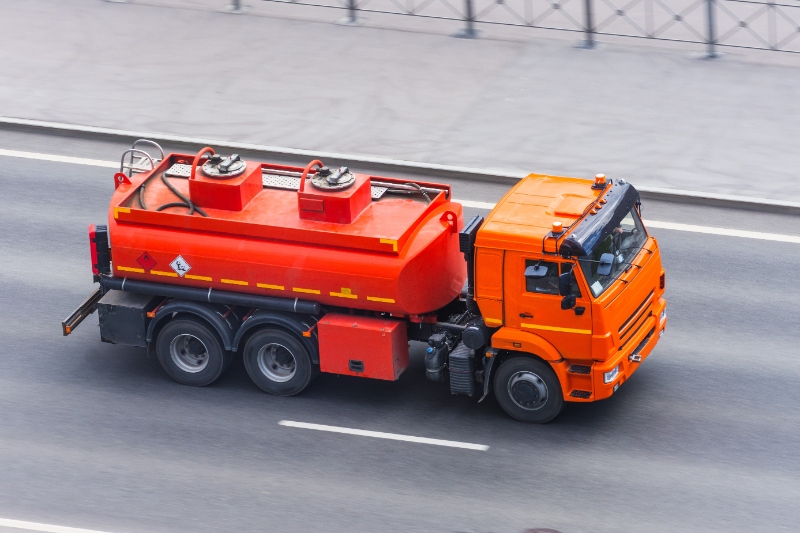
Definition:
A Diesel Bowser Truck, also known as a fuel tanker or fuel truck, is a specialized vehicle designed to transport and distribute diesel fuel to different locations. Its client base is diverse, ranging from fuel stations, construction companies, mining operations, farms, to emergency services, and is acknowledged by industry experts for its critical role in ensuring the smooth running of operations that rely on diesel-powered machinery and vehicles.
Diesel Bowser Trucks are used for tasks such as fueling construction equipment at job sites, supplying fuel to vehicles in remote areas, servicing equipment at mining sites, and delivering fuel to gas stations.
Key components of a Diesel Bowser Truck include:
Chassis: This is the base framework of the truck, which includes the engine, transmission, and wheels. It is built to withstand the weight of the fuel and the tank.
Cab: The cab is where the driver operates the truck. It houses controls for driving as well as for operating the fuel delivery system.
Tank: The tank stores the diesel fuel for transport. Tanks can vary greatly in size, and larger trucks can hold several thousand liters of fuel. They are designed with compartments known as baffles to prevent fuel movement from destabilizing the vehicle.
Pump: The pump is used to load and unload the fuel from the tank. It’s typically powered by the truck’s engine or a separate motor.
Metering System: This system measures the amount of fuel being dispensed to ensure accurate delivery.
Hoses and Reels: Diesel fuel is dispensed from the truck through durable hoses, which are often stored on reels for easy handling and storage.
Emergency Shutdown System: This safety feature can quickly stop the pump and close the tank in case of an emergency.
When selecting a Diesel Bowser Truck, considerations include the tank capacity, the power and efficiency of the pump, the precision of the metering system, the durability and length of the hoses, and safety features like the emergency shutdown system. Being an essential tool for various industries, a Diesel Bowser Truck plays a crucial role for a diverse range of clients, ensuring their operations continue without interruption due to fuel supply.
They’re typically classified by their tank capacity (measured in liters) and the type of terrain they’re designed to navigate. Here are five general classifications:
Small Diesel Bowser Trucks: These typically have a tank capacity of up to 5,000 liters and are designed for smooth terrains. They’re used for small-scale tasks such as fuelling small machinery and vehicles.
Medium Diesel Bowser Trucks: These usually have a tank capacity between 5,000 to 10,000 liters and can handle smooth to semi-rough terrains. They’re often used for medium-scale fuelling tasks.
Large Diesel Bowser Trucks: These have a tank capacity between 10,000 to 15,000 liters and can navigate both smooth and rough terrains. They’re suitable for larger fuelling tasks.
Extra Large Diesel Bowser Trucks: These typically have a tank capacity between 15,000 to 20,000 liters and are capable of handling varied terrains. They’re designed for large-scale fuelling tasks.
Super-Duty Diesel Bowser Trucks: These are the largest diesel bowser trucks, often with a tank capacity exceeding 20,000 liters, and can handle both smooth and rough terrains. They are used for extensive fuel transportation tasks in challenging conditions.
Health and Safety Considerations for Diesel Bowser Trucks
Operator Training: Operators should be adequately trained in the handling and operation of Diesel Bowser Trucks. This should include general driving skills, as well as specialized training in loading and unloading fuel, handling spills, and emergency procedures.
Pre-Use Inspection: Before each use, conduct a thorough inspection of the truck to ensure it’s in good working condition. This should include checking the brakes, tires, lights, steering, tank, hoses, pump, and metering system.
Load Limits: Never exceed the specified load limit for the tank. Overloading can lead to instability, increased braking distances, and increased risk of rollover.
Personal Protective Equipment (PPE): Operators should always wear appropriate PPE, which may include safety footwear, gloves, safety glasses, and high-visibility clothing. In some cases, respiratory protection may be required.
Fire Safety: Because diesel fuel is flammable, care must be taken to avoid sources of ignition. Smoking near the truck should be strictly prohibited. A suitable fire extinguisher should be readily available on the truck, and operators should be trained in its use.
Regular Maintenance: Regular servicing and maintenance of the truck and its components are critical to ensuring safe and efficient operation. This includes checking for leaks in the tank and hoses, maintaining the pump and metering system, and ensuring the truck’s engine and chassis are in good condition.
Safe Driving: Diesel Bowser Trucks, especially when loaded, can be challenging to maneuver. Operators should be aware of the truck’s longer stopping distances and potential for rollover due to its high center of gravity.
Ventilation: Diesel fumes can be harmful if inhaled in large amounts. Ensure proper ventilation during fuelling operations, especially in enclosed areas.
Static Electricity: Diesel fuel can generate static electricity, which can cause a fire if not properly managed. Grounding cables can be used to prevent static build-up.
Spill Response: Operators should be trained in how to respond to fuel spills, including containment, clean-up, and reporting procedures.
Emergency Shutdown: The truck should be equipped with an emergency shutdown system to stop the pump and close the tank in case of an emergency. Operators should be trained in the use of this system.
Never operate the Diesel Bowser Truck under the influence of drugs, alcohol, or when feeling fatigued.