
Backhoe Loaders (TLB)
VHIREL Equipment
Backhoe Loaders (TLB)
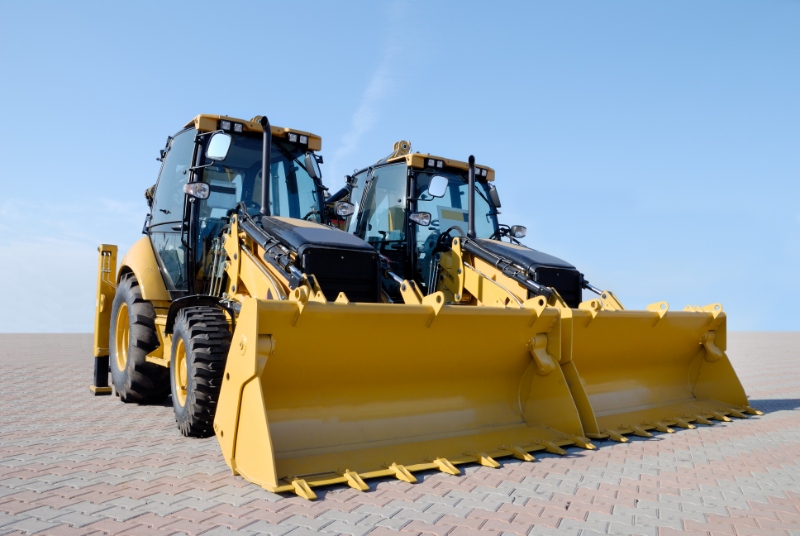
Definition:
A Backhoe Loader, often simply called a backhoe, is a versatile, multi-purpose piece of heavy equipment widely used across numerous industries such as construction, agriculture, urban engineering, and more. Its combined capabilities of a front loader and a rear excavator make it an invaluable asset to a broad spectrum of clients, from small businesses to large corporations, as well as industry experts.
Backhoe Loaders are typically characterized by three main components:
A tractor-like unit, a loader attachment at the front, and a backhoe attachment at the rear.
Tractor Unit: This is the central component of the backhoe loader, housing the operator’s cab and the engine. It’s designed for robust performance in varied terrain and is usually equipped with wheels, allowing for greater speed and maneuverability compared to tracked vehicles.
Front Loader: The loader attachment at the front is primarily used for scooping up loose material from the ground, such as dirt, sand, or gravel. It can also be utilized for smoothing out or moving dirt during grading, levelling, and spreading tasks.
Backhoe: The backhoe attachment at the back, from which the machine gets its name, is used for digging and lifting heavy loads. It’s designed with a digging bucket on the end of a two-part articulated arm, enabling it to execute precise and controlled excavations.
Engine and Hydraulic System: The engine, often diesel-powered, drives the hydraulic system that powers the front loader and backhoe, allowing for smooth and precise operations.
One of the key advantages of a Backhoe Loader is its versatility and adaptability. It’s essentially two machines in one, capable of tackling a range of tasks that would typically require multiple different machines. Its compact size also makes it ideal for urban or residential work where space might be limited. In addition, a wide array of attachments can be fitted to enhance the machine’s capabilities, from breakers and augers to grapples and cutters, increasing its utility for a diverse client base.
Therefore, the selection of a Backhoe Loader largely depends on the project requirements, working environment, and specific task demands. It offers flexible solutions across the board, making it a popular choice among different industry applications.
Compact Backhoe Loaders: Typically weighing less than 4500 kg with a front bucket capacity of under 0.8 cubic meters, and often come with a 4×2 drive train. These machines are used for light-duty tasks and operate well in confined spaces.
Small Backhoe Loaders: Generally weighing between 4500 to 6000 kg with a front bucket capacity of around 0.8-1 cubic meters. These are often available in both 4×2 and 4×4 drive trains, used in small to medium construction or farming tasks.
Medium Backhoe Loaders: Usually weigh between 6000 to 7500 kg, with a front bucket capacity of 1-1.2 cubic meters. Most medium backhoe loaders come with a 4×4 drive train for increased stability and better performance on uneven terrain.
Large Backhoe Loaders: Weighing between 7500 to 9000 kg, with a front bucket capacity ranging from 1.2 to 1.5 cubic meters, and generally equipped with a 4×4 drive train. These machines are designed for heavy-duty tasks and challenging terrain.
Industrial Backhoe Loaders: These are typically heavier, often weighing over 9000 kg with a front bucket capacity over 1.5 cubic meters and come with a 4×4 drive train. These are made for industrial tasks and can handle demanding workloads.
Health and Safety Guidelines for Backhoe Loaders
Operator Training: Only trained and qualified operators should handle a backhoe loader. Training should encompass handling, controls, loading/unloading, and safety precautions.
Inspections: Conduct regular inspections to check for damaged or worn-out parts. Inspect the engine, hydraulic system, undercarriage, and attachments daily before operation.
Personal Protective Equipment (PPE): Operators should always wear appropriate PPE, including safety boots, hard hats, high-visibility clothing, gloves, and protective eyewear.
Safe Operation: Do not exceed the machine’s rated load capacity, as it can result in tipping or accidents. Secure the load before lifting and moving it.
Work Environment: Be aware of the ground conditions and the environment in which the backhoe loader is operating. Watch for underground utilities, overhead power lines, and the presence of people or other equipment in the vicinity.
Emergency Measures: Ensure that the fire extinguisher is functional and easily accessible. Know the location of the emergency shutdown system.
Entering and Exiting: Maintain three points of contact when entering or exiting the backhoe loader. Do not jump off the equipment.
Seat Belt: Always wear a seat belt when operating the backhoe loader. It can prevent injury if the machine tips over.
Worksite Awareness: Maintain clear communication with workers on the ground. Use a spotter when visibility is compromised.
Safe Shutdown: When shutting down, park on level ground, lower the bucket to the ground, set the parking brake, turn off the engine, and remove the keys.
Maintenance: Regularly maintain the backhoe loader, including the engine, hydraulic system, undercarriage, and attachments, to ensure safe operation.
Swing Zone Safety: Keep personnel clear of the machine’s swing zone.
No Extra Riders: Do not allow extra riders on the equipment unless a proper seat with a seatbelt is provided for them.
Noise Control: Be aware of noise levels during operation. Prolonged exposure to high noise levels can lead to hearing damage.
Never operate the backhoe loader under the influence of drugs, alcohol, or when feeling fatigued.